



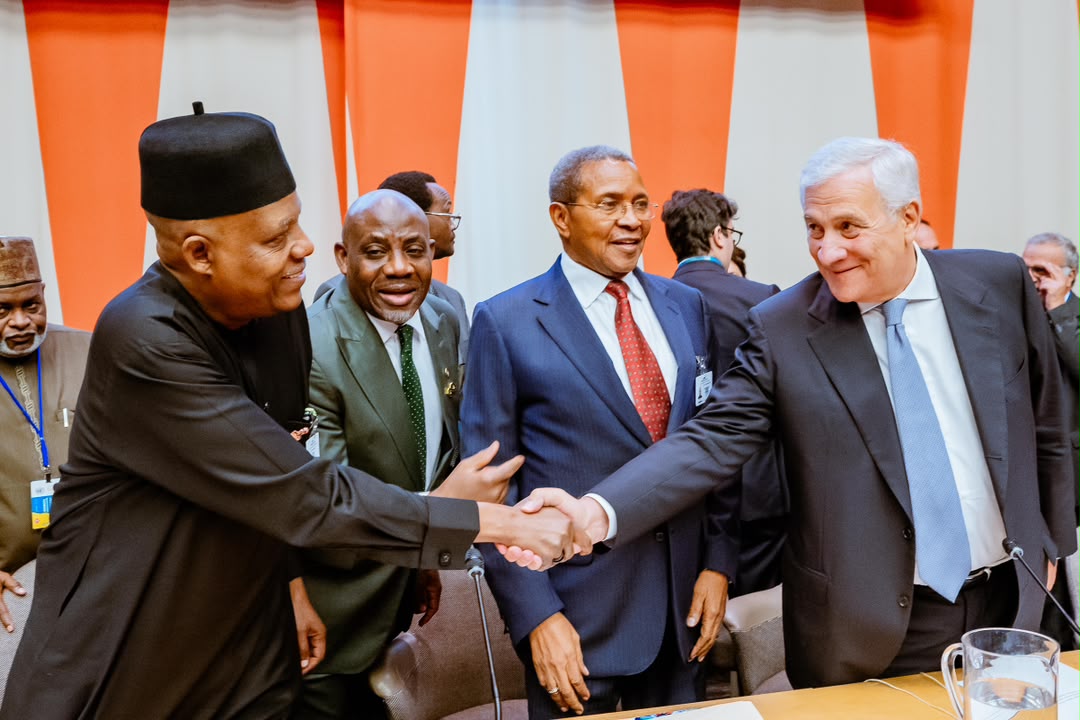
Nigeria and Italy have strengthened their partnership in advancing a global education financing campaign aimed at mobilising $5 billion through the Global Partnership for Education (GPE) to support education systems in developing countries.
The partnership was highlighted on Wednesday in New York at the “Multiply Possibility: A New Era for Education Financing” high-level event held on the margins of the 81st Session of the United Nations General Assembly.
President Bola Ahmed Tinubu, in a video message, said the GPE initiative aligns with his administration’s agenda of improving educational outcomes through increased access, stronger teacher capacity and greater investment in human capital. He also commended GPE and its partners for efforts to accelerate global education financing.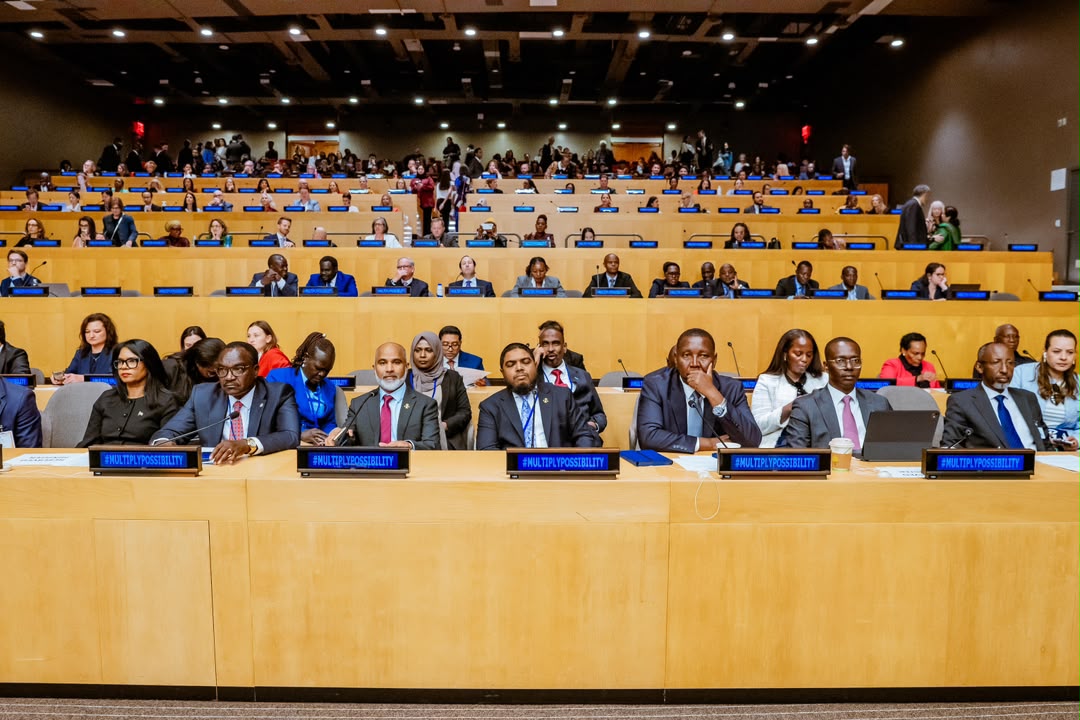
Representing the President at the event, Vice President Kashim Shettima described education as an investment in Nigeria’s economic future, national productivity and the prosperity and stability of its citizens.
He said the Tinubu administration had increased resources for education since 2023 while pursuing reforms to strengthen basic education financing, expand foundational learning and improve access to tertiary and technical education.
He also highlighted the role of the Nigerian Education Loan Fund in expanding access to higher education and linking education with skills, employment and enterprise.
Shettima disclosed that the Federal Government was exploring additional lawful domestic sources of education financing.
He said President Tinubu had directed that liquid funds recovered by the Economic and Financial Crimes Commission, once legally cleared and free from litigation, be channelled to the Nigerian Education Loan Fund, while the Federal Executive Council had also approved consideration of unclaimed dividends and dormant funds for the same purpose, subject to relevant legal requirements.
He noted that Nigeria’s partnership with the World Bank and GPE through HOPE-EDU is expected to reach about 29 million children and 500,000 teachers nationwide.
The Vice President stressed that domestic resources must remain the foundation of education financing, complemented by development assistance, concessional finance, philanthropy and innovative funding mechanisms.
He said the proposed $5 billion GPE mobilisation would help unlock additional financing for education in partner countries, arguing that declining global aid requires a more strategic form of multilateral cooperation capable of leveraging larger investments.
Shettima further said Nigeria’s participation in the campaign was not simply an appeal for greater international support, but also a demonstration of the country’s own commitment to investing in education.
He called for a renewed global compact involving national governments, international partners and responsible financiers to ensure that children, particularly in developing countries, have access to quality education, relevant skills and meaningful opportunities.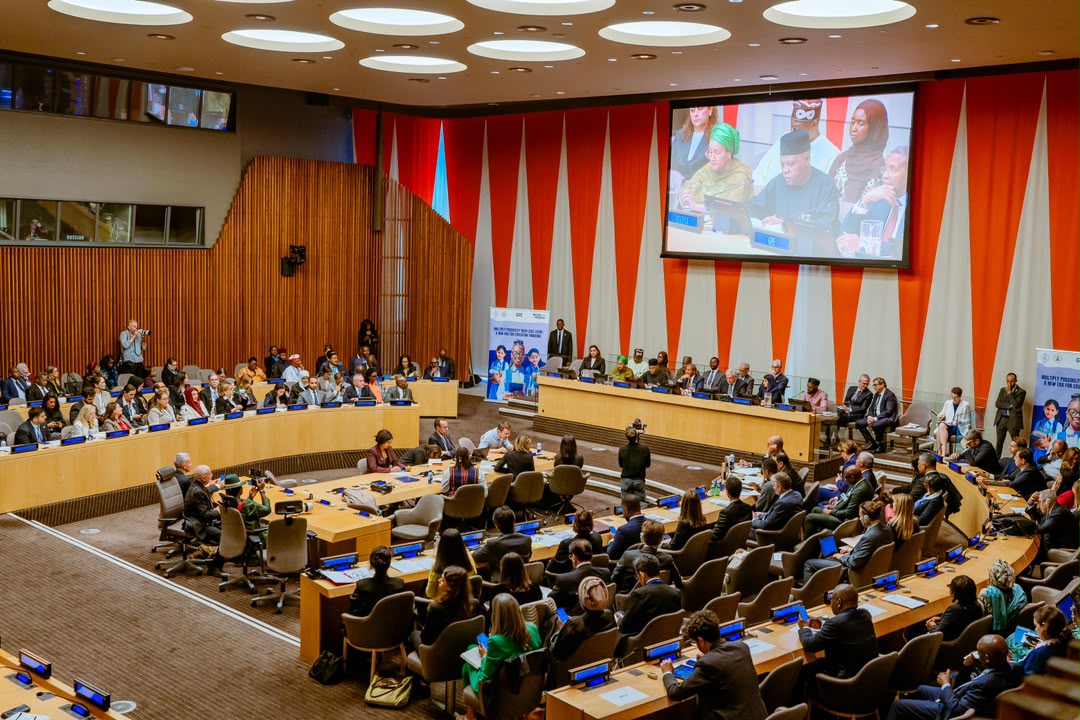
Italian Prime Minister Giorgia Meloni, in a video presentation, commended President Tinubu’s leadership and Nigeria’s efforts to improve educational outcomes, while urging stronger international commitment to reversing declining education financing in developing countries.
UN Deputy Secretary-General Amina Mohammed also called on governments and international financial institutions to create the fiscal space required to strengthen education systems and invest in teacher training and capacity building.
Chair of the GPE Board of Directors, Dr. Jakaya Kikwete, emphasised the central role of education in advancing human rights, security and peace, noting the widening education financing gap and decline in development assistance. Girls’ education advocate Malala Yousafzai similarly called for stronger global partnerships and increased investment in gender equality in education, particularly addressing the specific needs of girls in developing countries.
The high-level event resulted in contributions from governments and donors towards the education of at least 370 million children globally, with Italy pledging €50 million to GPE programmes and interventions.
The commitments underscored the growing push by Nigeria, Italy and other international partners to mobilise sustainable financing and strengthen education systems as a foundation for human capital development and long-term economic growth.