



The transformation of the Benue State University Teaching Hospital (BSUTH), Makurdi, has become one of the flagship achievements of Governor Hyacinth Alia’s administration, with investments estimated at over ₦20 billion in infrastructure, medical equipment, staff welfare, and specialized healthcare services.
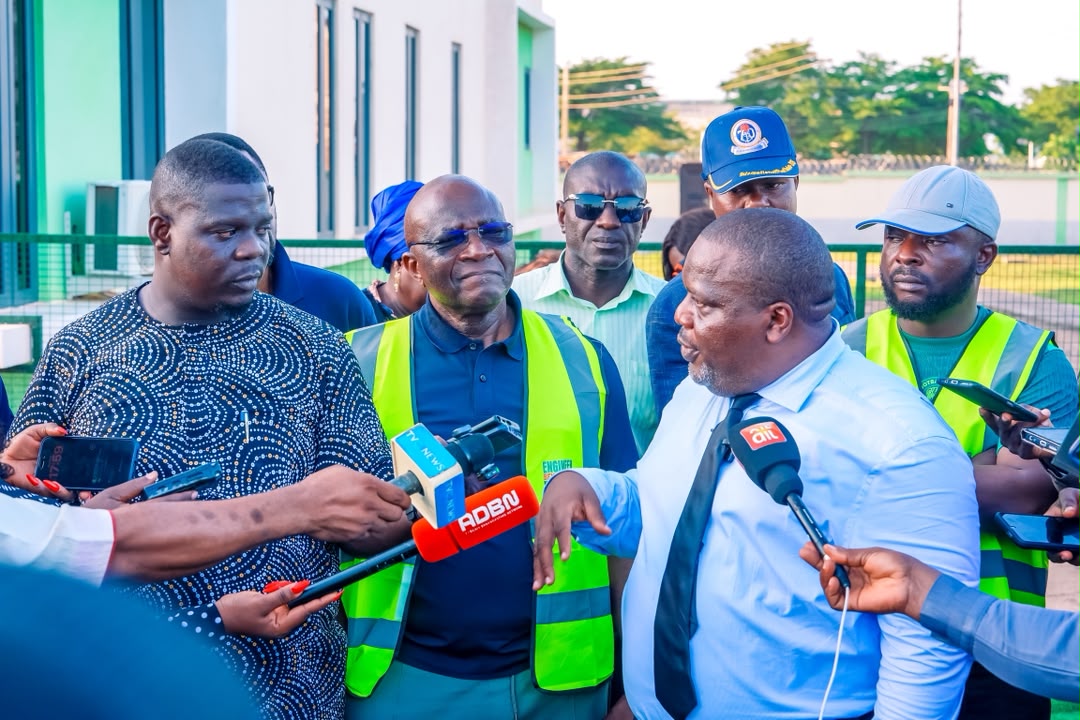
This was disclosed during a media tour of the hospital by the Chief Press Secretary to the Governor, Sir Tersoo Kula, alongside the Chief Medical Director (CMD), Dr. Stephen Hwande, who highlighted the remarkable progress recorded over the last three years.
Introducing the tour, Kula noted that although Benue State University has officially been renamed Rev. Fr. Moses Orshio Adasu University, the teaching hospital still bears its former name pending the completion of legal processes to reflect the change.
He recalled that the hospital was established during the administration of former Governor George Akume between 2002 and 2003 and was later completed by succeeding governments. However, despite its promising beginning, the facility eventually deteriorated into what many residents regarded as one of the state’s most neglected public institutions.
“There was a time when people believed that being taken to the teaching hospital was almost synonymous with a death sentence,” Kula said, describing the poor sanitary conditions, failing infrastructure and overwhelming neglect that once defined the institution.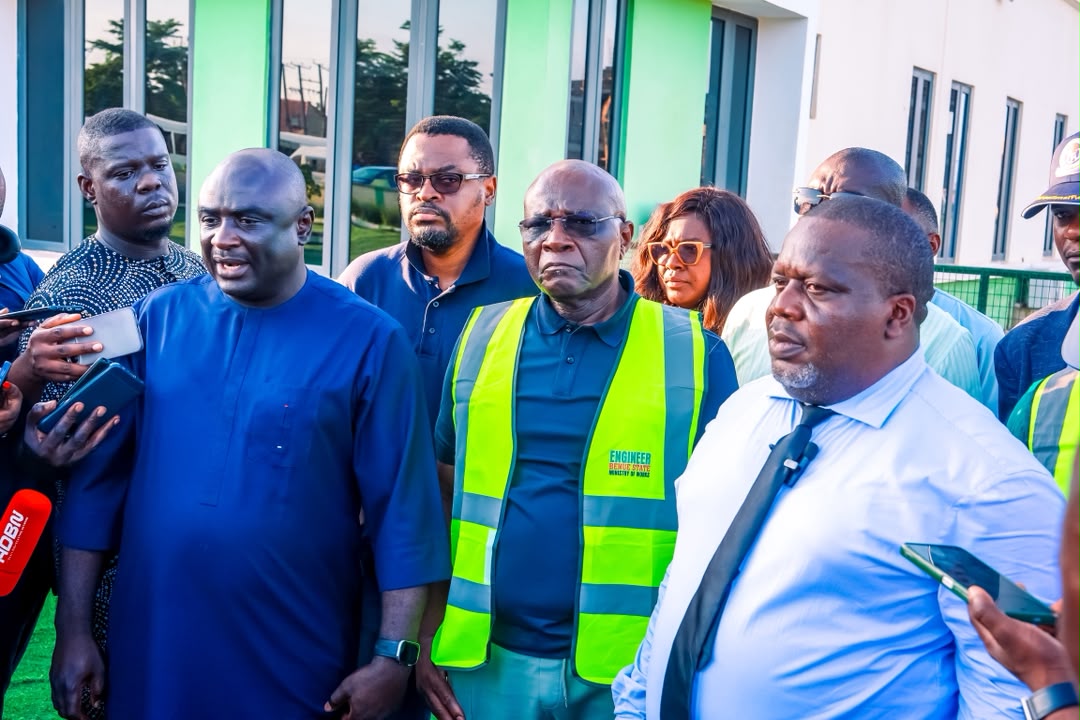
According to him, Governor Alia’s commitment to rebuilding the hospital was inspired by a deeply personal experience before he became governor.
During the 2022 election campaign, Alia received news that one of his relatives had been admitted to the hospital. By the time he arrived, the patient had died. Kula recounted that the governor was devastated not only by the loss but also by the deplorable condition of the hospital, describing the environment as unhygienic and emotionally disturbing.
That experience, he said, strengthened Alia’s determination to transform the hospital if given the opportunity to lead the state.
Upon assuming office, Governor Alia appointed Dr. Stephen Hwande as Chief Medical Director, entrusting him with the responsibility of driving the hospital’s comprehensive reform.
Today, Kula said, the teaching hospital has undergone a dramatic transformation and is increasingly attracting patients from Abuja, Nasarawa, Taraba and other neighbouring states, positioning it as a growing referral and medical tourism centre in North Central Nigeria.
Giving an overview of the administration’s investments, Dr. Hwande disclosed that approximately ₦20 billion has been committed to upgrading the hospital.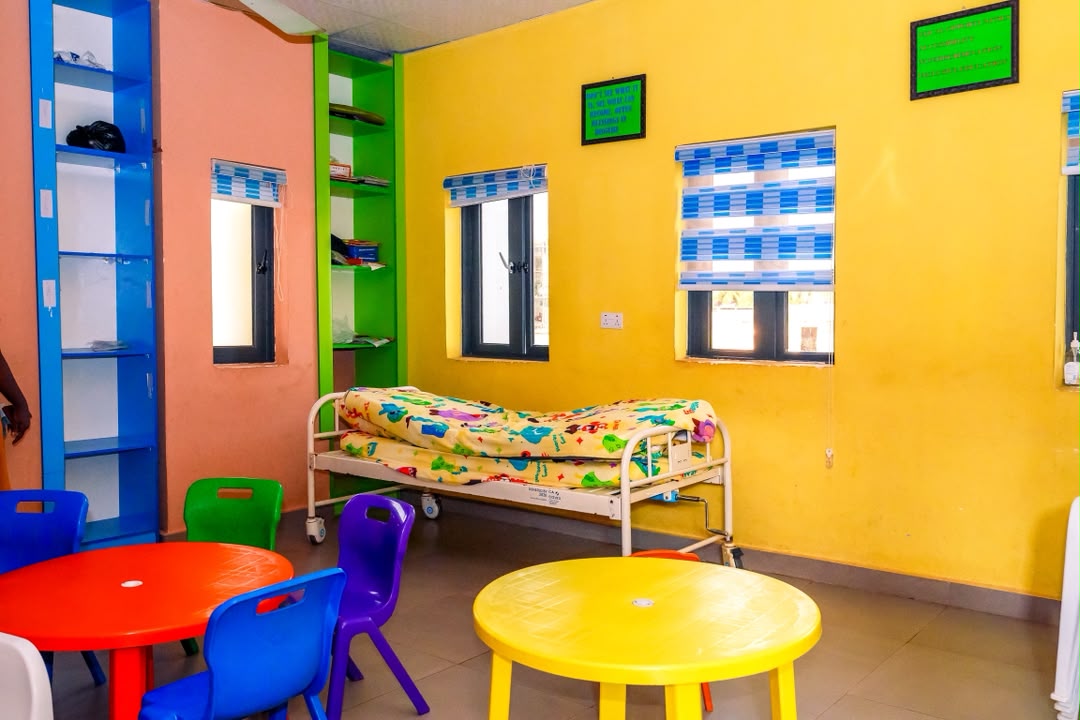
Among the landmark projects is a modern Cancer Centre, which has received about ₦2 billion in funding. Once completed, the facility will serve not only Benue State but also neighbouring states such as Nasarawa, Kogi and Taraba, where similar specialist cancer treatment centres are unavailable.
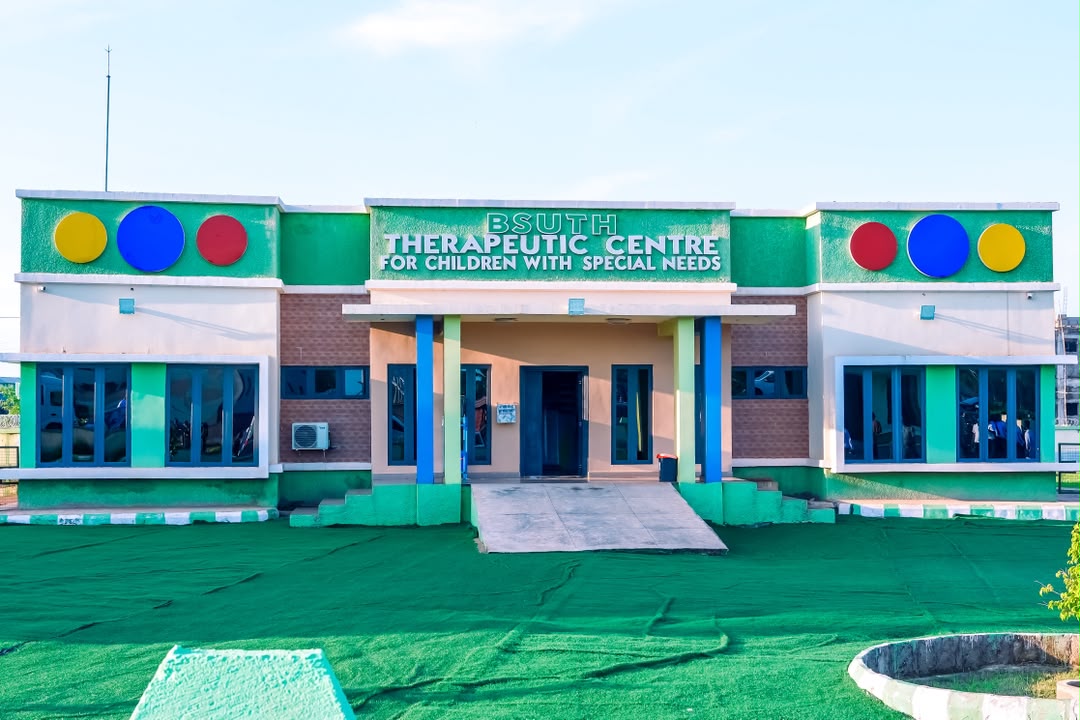
The hospital has also established a Paediatric Therapeutic Centre, providing specialised care for children living with autism, Down syndrome, cerebral palsy, hearing and visual impairments, speech disorders and other developmental disabilities. The centre brings together paediatricians, psychologists, physiotherapists, speech therapists, nutritionists and special education professionals to provide comprehensive care.
To support these developments, previously waterlogged sections of the hospital were reclaimed, extensive drainage systems constructed and new medical facilities built on the recovered land.
The administration also invested heavily in diagnostic services through the establishment of a modern radiology complex equipped with advanced technologies, including CT scan, fluoroscopy and mammography facilities, significantly improving diagnostic capacity.
In infectious disease management, BSUTH now boasts a fully functional molecular laboratory equipped with three testing machines and an isolation centre capable of diagnosing and managing diseases such as Lassa fever and Ebola. The hospital also has dialysis facilities to manage severe infectious disease complications.
One of the hospital’s most celebrated achievements is the establishment of a comprehensive In-Vitro Fertilisation (IVF) and Fertility Centre, making BSUTH one of the few state-owned tertiary hospitals in Nigeria offering advanced fertility services. The centre provides IVF treatment, surrogacy, sperm banking and embryo preservation.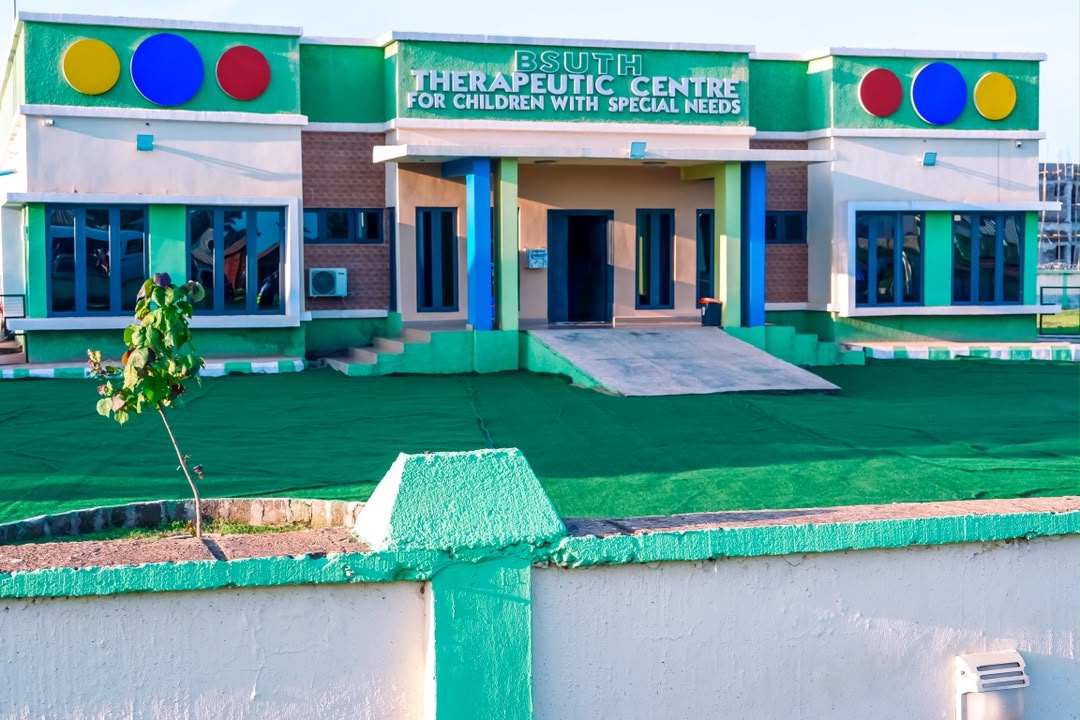
Dr. Hwande noted that fertility services at the hospital have been heavily subsidised by the state government. While similar procedures can cost between ₦4 million and ₦5 million in many private facilities, patients at BSUTH pay approximately ₦700,000, excluding some medications, making treatment accessible to many more families.
Recognising that healthcare extends beyond infrastructure, the administration also invested in human capacity development by establishing postgraduate schools for specialised nursing and allied health programmes. Healthcare professionals can now receive advanced training in fields such as anaesthetic nursing, accident and emergency nursing, intensive care and other specialties without leaving Benue State.
The hospital’s water supply system also received a major overhaul. After years of relying on inadequate boreholes, the government constructed a modern waterworks that supplies treated water directly from the nearby river, significantly improving sanitation and infection control across the facility.
Electricity infrastructure was equally upgraded with the installation of a 33KV power supply, replacing the obsolete 11KV line that had previously limited hospital operations and damaged sensitive medical equipment.
Staff welfare also featured prominently in the reforms. According to Dr. Hwande, the state government released over ₦1 billion to settle outstanding hazard allowances and harmonise salaries with those of federal health institutions, reducing the migration of healthcare workers to better-paying hospitals.
Following fresh salary adjustments approved by the Federal Government, additional funds have continued to be released to bridge salary gaps and retain skilled professionals within the state healthcare system.
The workforce has equally expanded significantly. From approximately 800 employees when the administration took office, BSUTH now employs close to 3,000 staff, allowing departments to function more effectively and improving service delivery.
Another notable addition is a modern VIP Medical Centre, equipped with telemedicine facilities, electronic medical records and premium patient accommodation. Dr. Hwande revealed that the quality of the facility impressed a delegation of members of the United States Congress during an assessment visit, helping reassure them of the hospital’s capacity to host high-profile international visitors.
For both Kula and Hwande, the hospital’s transformation reflects Governor Alia’s broader vision of improving healthcare delivery across Benue State. They argued that the investments have not only modernised infrastructure but have also restored public confidence in the institution.
What was once regarded as a neglected hospital has, in just a few years, evolved into one of North Central Nigeria’s emerging centres for specialised healthcare, offering services that previously required patients to travel to larger cities or private medical facilities.
As the administration continues its investment in health, the Benue State University Teaching Hospital stands as a symbol of what sustained commitment to public healthcare can achieve.