




The Deputy Governor of Benue State, Barrister Sam Ode, has lauded the Federal Government for the ongoing construction of the Wurukum Overhead Bridge and the second phase of the Abuja–Akwanga–Makurdi–Ninth Mile dual carriageway, describing the project as a major intervention that will significantly improve traffic flow along one of Nigeria’s busiest transport corridors.
The Deputy Governor said, during an inspection of the project at the Wurukum Overhead Bridge in Makurdi, that the second phase of the highway begins at Wurukum, where the completed first phase ends, and extends to Ninth Mile in Enugu State.
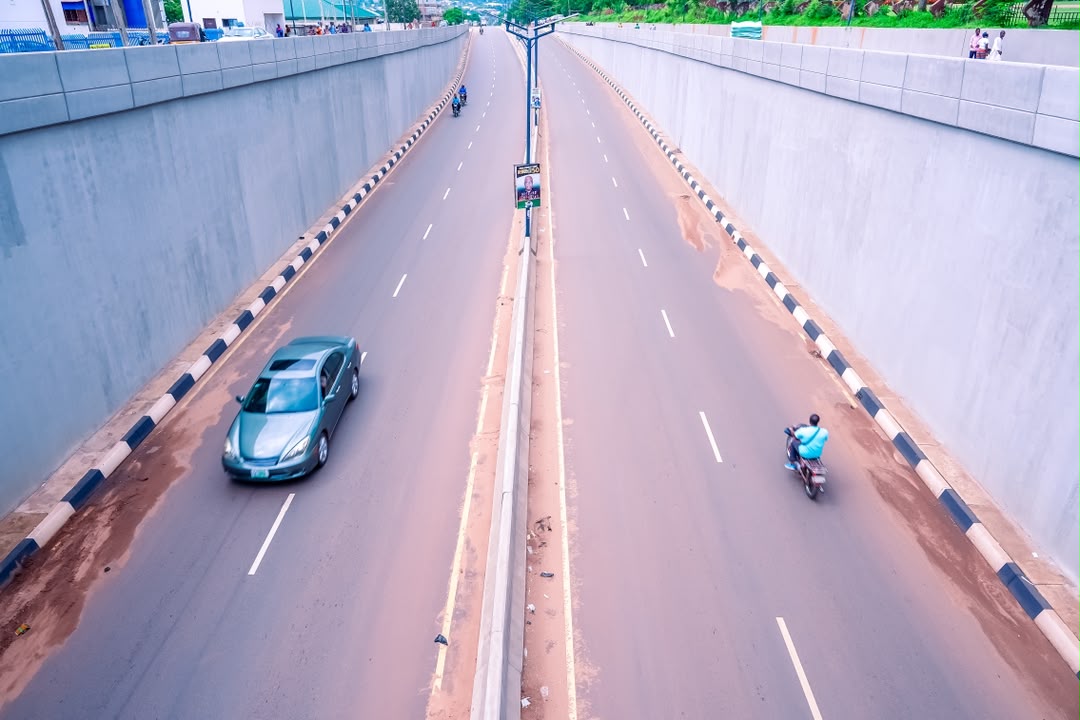
He noted that the Benue section of the road stretches approximately 106 kilometres from Makurdi to Orokam, making it a critical link between northern and eastern Nigeria.
“This is a major corridor from the North to the East of Nigeria. During festive periods such as Christmas and Easter, this route is usually characterised by heavy gridlock. We are very happy that the Federal Government is constructing this overhead bridge because it will ease the movement of traffic, and we will all be better for it.”
The Deputy Governor also commended the collaboration between the Federal and Benue State governments, stating that the state had fulfilled all its obligations to ensure the smooth execution of the project.
“The Benue State Government has paid all the required compensation, carried out the environmental impact assessment and compensated owners of demolished properties. Work is moving steadily, and the contractor, China Harbour Engineering Company, is doing an excellent job.”
Federal Controller outlines project progress
The Federal Controller of Works in Benue State, Engr. Mukaila Danladi, said the project is the second phase of the Akwanga–Makurdi road dualisation, with the first phase already completed and opened to traffic.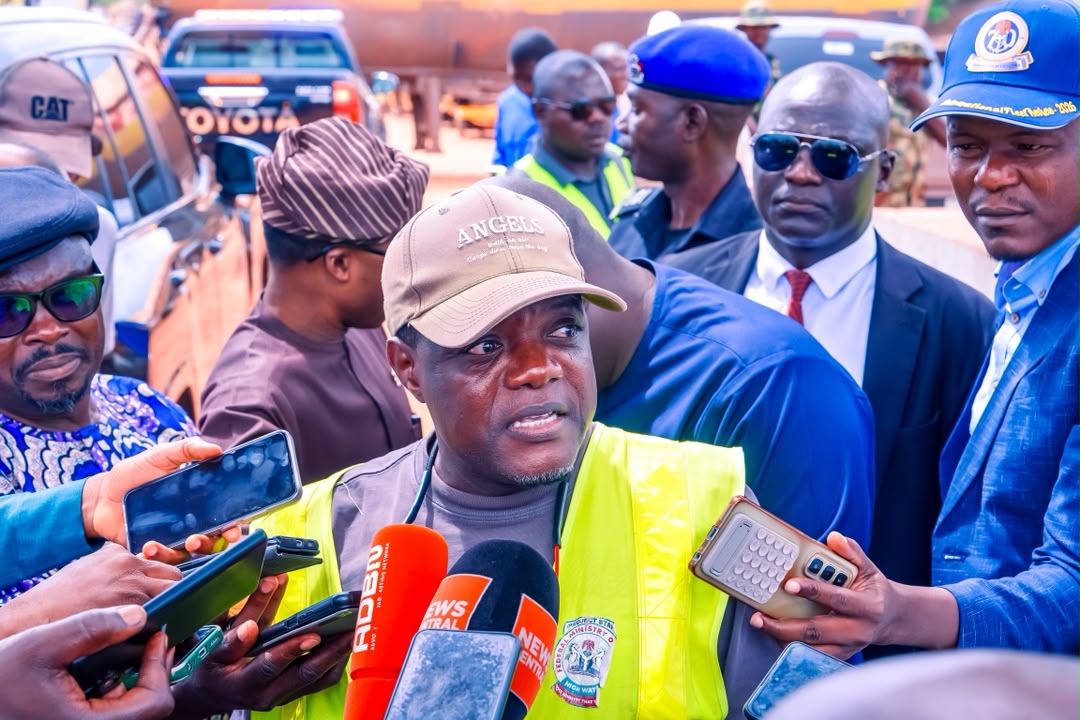
According to him, the project is financed through a combination of an Exim Bank loan and Federal Government counterpart funding.
“Eighty-five percent of the contract sum is being financed through the Exim Bank loan, while the remaining 15 percent is being provided through counterpart funding from the Federal Ministry of Works.”
Danladi disclosed that substantial progress has already been recorded despite the challenges posed by the peak of the rainy season.
He said about 265 kilometres have reached the binder course stage, while more than 89 kilometres of trapezoidal line drains have been constructed. He added that hydraulic structures, including culverts, drainage systems and bridge works, are continuing despite weather-related constraints.
“The pace of work has slowed because of the rainy season, which affects earthworks. However, hydraulic structures are ongoing, and once the rains subside, full-scale construction activities will resume.”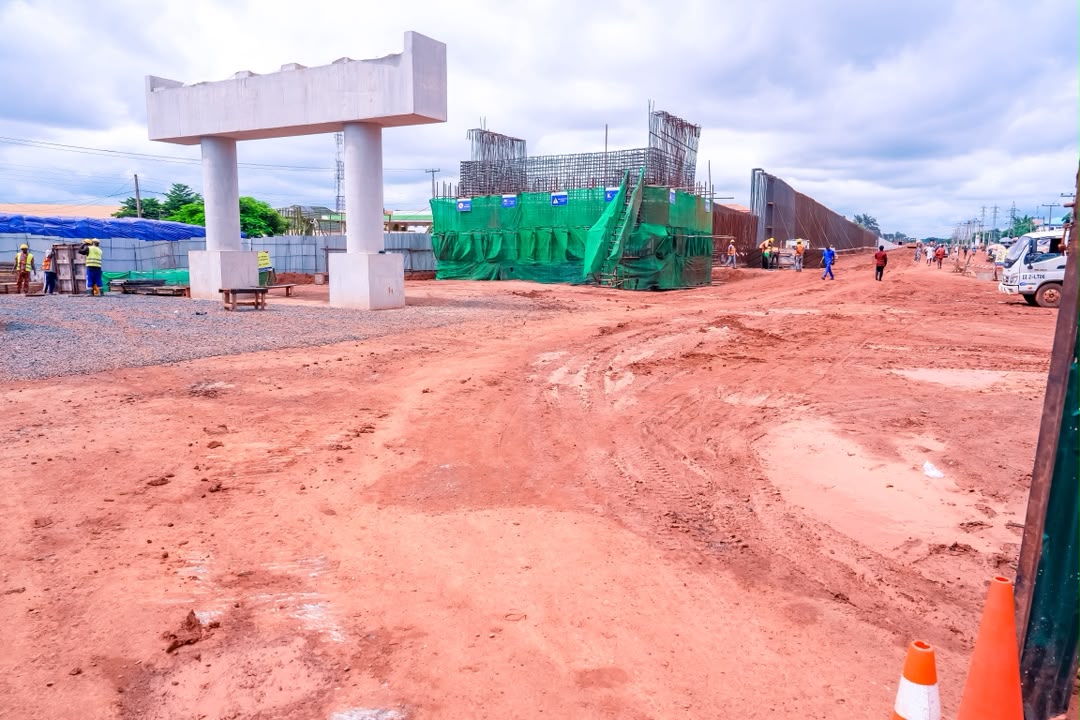
The Federal Controller also revealed that the Minister of Works approved design improvements to enhance the durability of the road.
“Unlike the completed phase, which has surface-dressed shoulders, the Honourable Minister directed that this section should have hard shoulders to strengthen the pavement structure and improve its durability.”
He expressed confidence that the contractor remains committed to completing the project ahead of schedule.
“The contractor is committed to delivering the project by December 2027, ahead of the contractual completion date of January 31, 2028.”
Benue has the longest stretch
Danladi explained that the dual carriageway covers a total of 250 kilometres per carriageway, translating to 500 kilometres of road construction, with Benue State accounting for the longest section.
For ease of execution, he said the project has been divided into five sections, three of which fall within Benue State, covering approximately 178 kilometres.
He added that the 15.805-kilometre Lafia Bypass has been completed and is already in use.
Providing further updates, he said that out of the remaining 168 kilometres under construction, contractors have completed sub-base works on 186 kilometres, stone base on 162 kilometres, binder course on 160 kilometres and wearing course on 109 kilometres, reflecting steady progress toward completion.