



The Federal Government has distributed the first batch of electric vehicles to civil servants as part of its ongoing transition to new-energy vehicles, including electric vehicles (EVs) and Compressed Natural Gas (CNG)-powered vehicles.
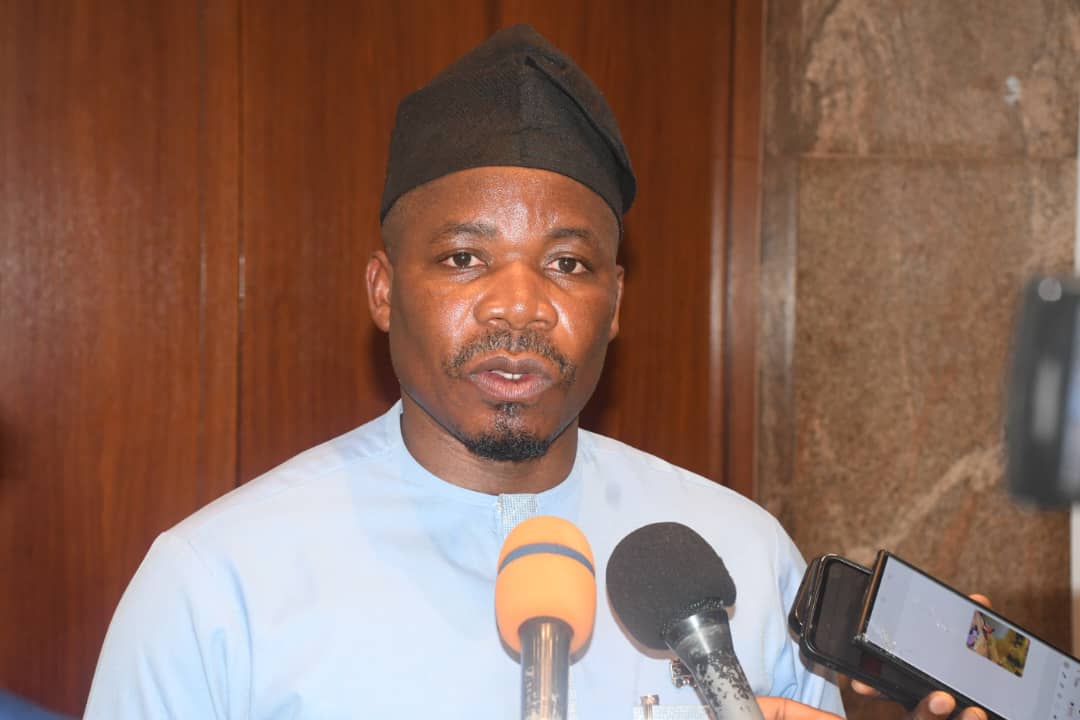
The Director-General and Chief Executive Officer of the National Automotive Design and Development Council (NADDC), Oluwemimo Joseph Osanipin, disclosed this while speaking on the government’s efforts to promote the adoption of cleaner and more sustainable transportation technologies in Nigeria.
Osanipin said the development followed a briefing with President Bola Ahmed Tinubu on the council’s activities and preparations to support the sustainable adoption of new-energy vehicles.
According to him, the council is focusing on developing the human capacity and technical expertise required to operate, maintain and sustain the emerging new-energy vehicle ecosystem.
He said the NADDC had also invested in specialised infrastructure and projects in universities across the country to build the skills and technical capacity needed for the transition.
“We have established infrastructure in several universities where we are developing the skills and technical capacity needed to support the new-energy vehicle ecosystem,” he said.
The NADDC boss added that the council also briefed the President on investments required for the transition, progress on draft regulations and other initiatives being implemented to facilitate the adoption of new-energy vehicles.
On CNG adoption, Osanipin said the impact of government policies was becoming increasingly evident, although policies did not always produce immediate results.
He explained that successful CNG adoption required investments in filling stations, mobile refuelling facilities and gas production.
According to him, about 81 firms are now licensed to retail gas, indicating increased investment and availability of CNG across several states.
He cited the experience of a traveller who regularly moves between Lagos and Kano, saying the person reported that the cost of fuel for a particular trip had fallen from more than N200,000 to about N47,000 after switching to CNG.
“This is a significant reduction,” Osanipin said, noting that many commercial transport operators were already benefiting from lower operating costs.
However, he expressed concern that some transport operators benefiting from reduced fuel costs had not transferred the savings to passengers through lower fares.
He said the government would strengthen enforcement as infrastructure expands and policies mature to ensure that the benefits of cleaner and cheaper energy ultimately reach ordinary Nigerians.
On electric vehicles, Osanipin disclosed that the NADDC had provided infrastructure in about 16 universities to support electric-vehicle development and adoption.
He said the delivery of the first batch of electric vehicles to civil servants marked the beginning of a broader government programme.
“Today, we also witnessed the delivery of the first batch of electric vehicles to civil servants. The President’s initiative has begun with the provision of electric vehicles, and this is only the beginning,” he said.
Osanipin expressed optimism that more electric vehicles would be deployed as the programme expands, stressing that the development of the required infrastructure, skills and regulations would remain critical to Nigeria’s transition to new-energy mobility.